Toenail polish in Fort Mill does not get a winter break just because sandals do. Many people keep color on toes from the last pedicure of fall straight through to spring, hidden inside socks and boots, and wonder in April why the nails underneath look yellow, thick, or tired. The polish itself is rarely the villain. The routine around it decides. This guide from Upscale Nail & Spa explains how to wear winter toenail polish in a way that keeps the nails healthy enough to show in May.
Why bare nails change color under old polish
Dark and red pigments can stain the surface of the nail plate, especially when polish sits for months. That staining is usually superficial and grows out, but it looks alarming and it hides the nail's real condition. The second issue is inspection: a covered nail cannot be checked. Thickening, discoloration spreading from the base, or a nail lifting at one corner can develop all winter under an intact coat, and those signs matter more than the stain. The fix is not banning winter polish. It is building removal breaks and bare checks into the season.
A winter polish routine that works
- Start winter with a fresh pedicure. Bare inspection first, then polish. Entering boot season with nails already checked sets the baseline for every later look.
- Use a base coat every time. Base coat is the barrier between pigment and plate. Skipping it is the most common cause of yellow staining.
- Take a removal break every few weeks. Take polish off, leave toes bare for several days to a week, and look at every nail in good light before recoating.
- Trim on schedule, polish or not. Toenails keep growing in boots, and length pressing the front of a shoe causes the bruising people blame on winter itself.
- Moisturize feet and cuticles. Dry winter air and indoor heat affect toenails too; oil keeps the plate and surrounding skin flexible inside socks.
- Retire any coat older than a month. Chipped, grown-out polish traps moisture at the edges. A full removal and a clean start beats endless touch-ups.
- Flag changes early. Discoloration that starts at the base, thickening, crumbling edges, or odor under the nail are doctor signs, not polish problems.
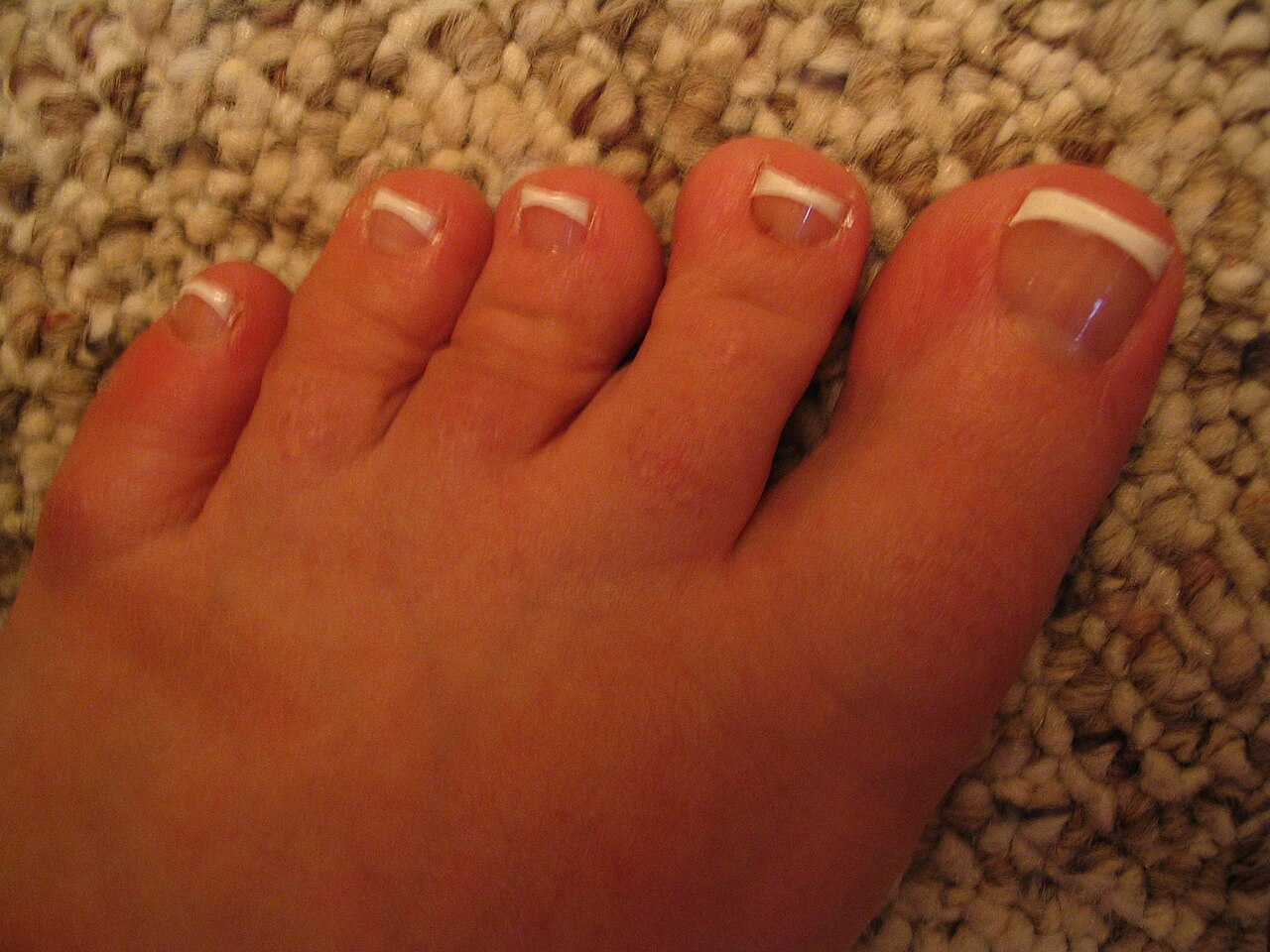
What you can do vs. what to bring in
At home you can handle removal, base coat discipline, trimming, and moisturizing. Nail files, gentle removers, and patience cover the whole home list. Bring it in when a stain survives a full growth cycle of the surface, when one nail looks different from the other nine, or when thickness makes home trimming difficult. A pedicure chair at Upscale Nail & Spa gives the technician light, tools, and angle that a bathroom floor never will, and a winter pedicure doubles as the bare-nail inspection the season otherwise skips.
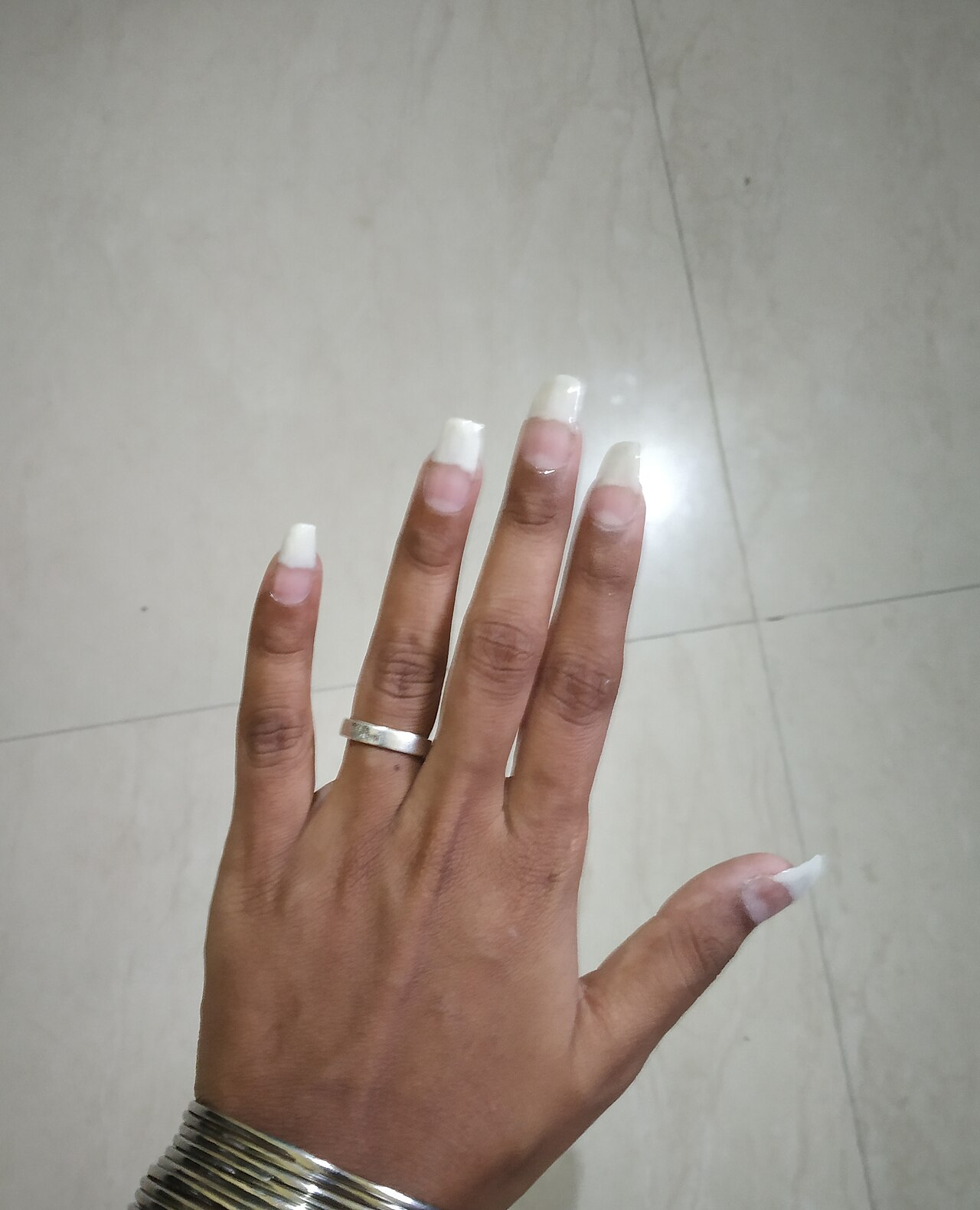
The fungal question, answered plainly
People often ask whether polish causes toenail fungus. Polish does not create fungus; the organisms are common in warm, damp places like locker rooms and pool decks, and they take hold in nails that are damaged, lifted, or kept damp. What months of unbroken polish can do is hide the early signs, which is a monitoring problem, not a cause. That distinction is exactly why the routine above insists on bare weeks: the inspection is the protection. Readers with diabetes or circulation problems should be stricter still, keeping toenails visible and checked often, and treating any change as a reason to call a doctor promptly.
Kept this way, winter polish is a non-issue: color when you want it, bare checks on a rhythm, and no surprises waiting under the first sandal of spring in Fort Mill. Book the first pedicure of spring as an inspection as much as a service: bare nails, good light, an honest look at every toe after months out of sight. Whatever winter did, you will see it then while it is still small, and the sandal season can start on clean, checked feet instead of hopeful ones.
Common questions
Does toenail polish turn nails yellow?
Pigment can stain the surface, especially dark shades left on for months without a base coat. The stain is usually superficial and grows out with the nail.
How long can I leave toenail polish on in winter?
A few weeks is fine; a whole season is not. Remove it monthly at most, inspect the bare nails for several days, and reapply with a base coat.
Should I worry about a discolored toenail?
A stain that matches where polish sat is usually harmless. Discoloration spreading from the base, thickening, or crumbling deserves a doctor's look, not another coat.
Photos in this guide are representative stock images.
← All guides from Upscale Nail & Spa← Back to Upscale Nail & Spa